

When sourcing pet products, it’s crucial to ensure the materials used are of high quality and that the products can withstand the wear and tear that comes with pets’ daily activities. The right materials and durability tests can make all the difference in the safety, comfort, and longevity of pet products. Whether you're designing pet toys, feeding bowls, or pet beds, understanding the materials involved and subjecting products to rigorous durability tests are essential for creating reliable and safe products. This article will delve into the types of materials commonly used in pet products, the factors that affect their durability, and the testing methods to ensure quality.
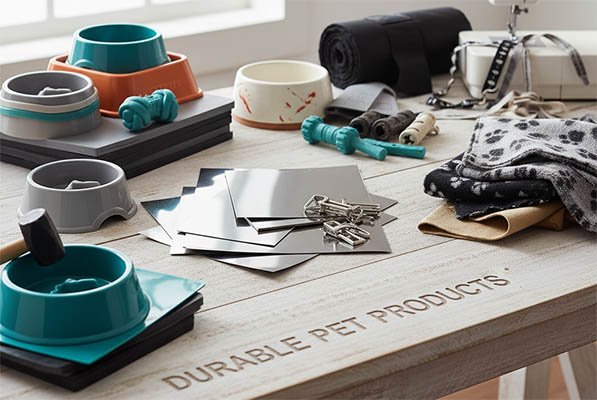
Understanding the Different Types of Materials Used in Pet Products
Pet products come in various shapes and sizes, and the materials used for each item depend largely on its function and purpose. The material choice will significantly affect the product’s safety, comfort, and usability.
Plastics are commonly used in pet products like toys, bowls, and crates. Polypropylene and polyethylene are two popular plastic choices for pet feeding bowls due to their durability and ease of cleaning. For pet toys, harder plastics like polyethylene terephthalate (PET) or PVC are preferred as they can withstand chewing and playing. These plastics are also non-toxic, which is essential for pet safety.
Metals are commonly used in items such as pet carriers, bowls, and even pet grooming tools. Stainless steel, for example, is often the material of choice due to its resistance to rust, stains, and corrosion. Metal bowls are particularly popular for feeding, as they are durable, easy to clean, and less likely to harbor bacteria compared to plastic.
Fabrics play a significant role in pet products, especially for items such as beds, pet clothing, or carriers. The fabric’s durability is key, as pets will often chew, scratch, or tear them. Polyester and nylon are two of the most durable synthetic fabrics used for pet bedding, pet collars, and pet carriers due to their tear resistance and ability to withstand multiple washes. For a soft and comfortable feel, cotton is a common choice for pet clothing or blankets, though it is typically blended with synthetic fibers for added durability.
Rubber and Silicone are often used for pet toys, particularly those designed for chewing. Rubber provides flexibility and durability, while silicone is non-toxic, durable, and flexible, making it ideal for teething toys. Both materials also provide resistance to water, making them easy to clean.
When sourcing pet products, it is essential to consider the end-use of the product to select the most appropriate material. For instance, products designed for outdoor use should use UV-resistant materials that can withstand exposure to sunlight and outdoor elements, while indoor products might prioritize comfort and ease of maintenance.
Call to Action: If you're sourcing or manufacturing pet products, always ensure that the materials you select are both durable and safe for your target market. Contact a reliable supplier today to guarantee the quality of your pet products!
Key Factors Affecting the Durability of Pet Products
Durability is a vital factor in pet product selection. Pet products often face challenges that other consumer goods don’t, including constant chewing, rough handling, moisture, and UV exposure. Here are some of the main factors that affect the durability of pet products:
Wear and Tear – Pet products are often subjected to physical stress, whether it's a chew toy being bitten by a dog or a pet bed being scratched by a cat. The ability of the material to withstand constant wear and tear is crucial. Products made from hard plastics or metals tend to last longer because they can handle such stresses without breaking or deteriorating.
Environmental Factors – Exposure to external factors like moisture, extreme temperatures, and UV rays can affect the durability of a product. Outdoor pet products, such as dog leashes, outdoor beds, and carriers, need to be made of materials that can withstand these environmental conditions. For instance, metal parts may rust if not treated with a corrosion-resistant coating, while plastics and fabrics may degrade under constant UV exposure.
Chemical Exposure – Pet products are also exposed to chemicals, from cleaning agents to pet shampoos. Materials like plastics or metals that are prone to degradation when exposed to harsh chemicals can lead to premature product failure. Materials that are resistant to chemicals, such as stainless steel or certain plastics, are better suited for pet products that will be exposed to cleaning agents or other chemicals.
Product-Specific Durability Needs – Different products have different durability needs. For instance, pet toys need to be made from strong, chew-resistant materials, while pet beds need soft, durable fabrics that can withstand frequent washing. Products designed for heavy-duty tasks, like dog crates or cat carriers, should be made from high-strength materials that can handle the weight and pressure placed on them.
In sourcing pet products, it’s essential to prioritize the longevity and functionality of materials in relation to the product’s use. Consider factors such as the pet’s size, activity level, and environmental conditions when selecting materials that will ensure the product’s durability over time.
Durability Testing Methods for Pet Products
Once the materials are chosen, it is essential to test their durability before the products hit the market. Several testing methods ensure the products can withstand the wear and tear that pets inflict on them.
Abrasion Resistance – One of the most common tests for pet products like toys, beds, and feeding bowls is abrasion resistance. This test measures the ability of a material to resist wear from friction. For example, rubber and plastic pet toys often undergo abrasion resistance tests to ensure they can withstand constant chewing or playing without breaking down.
Tensile Strength Testing – This test measures the material’s ability to resist breaking under tension. Pet leashes, collars, and harnesses undergo tensile strength tests to ensure they can handle pulling and tugging from active pets. Materials like nylon and polyester are often subjected to tensile strength tests to guarantee they don’t snap or fray under pressure.
UV Resistance Testing – Pet products that are used outdoors, such as dog leashes, outdoor beds, and carriers, must undergo UV resistance testing. This test evaluates how well a material can withstand the damaging effects of UV rays. Materials like treated plastics and fabrics are often tested for UV resistance to ensure they don’t degrade or lose their color when exposed to the sun for prolonged periods.
Water Resistance and Waterproofing – Many pet products, particularly those designed for outdoor use, need to be water-resistant or waterproof. Testing involves subjecting materials to water immersion or spray tests to see how well they hold up under wet conditions. Waterproof pet beds or pet clothing must pass these tests to maintain their durability and usability.
Chemical Resistance – Pet products are often exposed to cleaning agents, pet shampoos, or other chemicals. Chemical resistance testing ensures that the material does not degrade or break down when exposed to such substances. This test is particularly important for pet bowls, grooming tools, and other products that come into contact with chemicals regularly.
When sourcing pet products, it’s vital to work with suppliers that have comprehensive testing protocols in place. These tests will give you confidence in the durability of the products you offer to your customers.
Call to Action: Ensure your pet products are tested for durability before bringing them to market. Work with trusted suppliers who prioritize rigorous testing to guarantee product reliability and safety.

How to Choose Reliable Suppliers for Durable Pet Products
Choosing a reliable supplier for durable pet products is essential in ensuring your products are made with the highest standards of quality and safety. The right supplier will provide materials that meet industry standards for durability and undergo rigorous testing to ensure the final products can withstand pets’ daily wear and tear.
Reputation and Experience – Look for suppliers with a strong reputation in the industry. Suppliers who specialize in pet products or have years of experience with pet product manufacturing will better understand the materials and testing required to meet durability standards.
Testing Protocols – A reliable supplier should have clear testing protocols in place for all materials and products. Ask about their testing procedures and ensure they follow industry standards (such as ASTM or ISO). They should be able to provide documentation of their tests to demonstrate the product's quality.
Transparency in Material Sourcing – Transparency is key when choosing a supplier. A supplier should be able to provide information on where they source their materials, how they’re tested, and whether they adhere to ethical and safety standards. Avoid suppliers who cannot offer clear insights into their manufacturing process.
Product Warranties and Customer Support – A trustworthy supplier will offer warranties on their products and provide excellent customer support. This ensures that, should any issues arise with product durability, you have access to solutions and support.
Conclusion
Sourcing pet products with the right materials and durability testing is vital to ensuring the safety, comfort, and long-lasting use of the products. By selecting high-quality materials that are tested for wear and tear, UV resistance, chemical resistance, and more, you can provide your customers with products that will stand the test of time. Always choose reliable suppliers who prioritize quality assurance and have comprehensive testing methods in place. This attention to detail in sourcing pet products will not only enhance customer satisfaction but also reduce the risk of product failures.