

Found a great apparel supplier but still getting inconsistent quality? The problem is rarely the factory. It's often unclear instructions that lead to costly mistakes in bulk production.
A complete tech pack and a disciplined sample process are crucial. They provide clear, documented standards for your factory, reducing misunderstandings, improving consistency, and lowering the risk of production problems. This ensures your vision is executed correctly, saving you time and money.
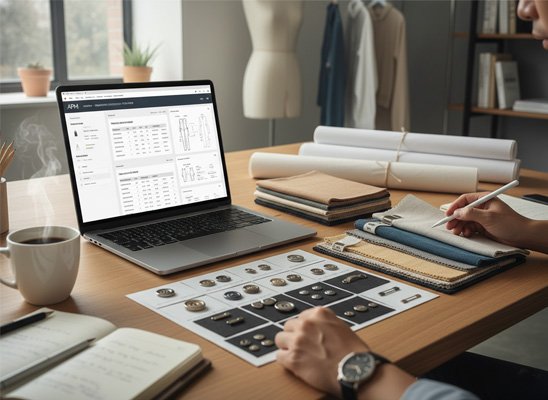
For many importers and brand owners, apparel sourcing looks simple at first. But in my 13+ years of experience, I know it's one of the easiest categories to get wrong. A garment might look right in a photo but fail on fabric weight, fit, stitching, or trim quality. These aren't minor details; they directly impact your sales and brand reputation.
This is why I tell my clients that tech packs and samples are their most important risk-control tools. A strong tech pack gives the factory a clear production blueprint. A structured sample process verifies they can execute it. When either is weak, you're relying on expensive guesswork. Let me show you how to build a process that relies on clarity instead.
What Is an Apparel Tech Pack, and Why Does It Matter So Much?
Assuming your supplier understands your vision from a photo is a huge risk. Ambiguity in apparel manufacturing leads to wrong materials, incorrect fits, and wasted time and money.
A tech pack is the official blueprint for your garment. It's a detailed document that tells the factory exactly what to make and how. It eliminates guesswork by specifying materials, measurements, construction, and branding, ensuring all suppliers quote on the same standard.
I remember a client who came to us after three failed sample rounds with a factory. They had only sent a reference photo. The factory was good, but they were forced to guess the fabric, fit, and construction. Each sample was a new interpretation. The problem wasn't the supplier; it was the lack of a clear tech pack. A strong tech pack bridges the gap between your idea and the factory’s execution. It aligns everyone before sampling begins and makes price comparisons more meaningful, as all factories are quoting on the same technical standard.
Key Components of a Practical Tech Pack
A professional tech pack must be thorough. Leaving out details invites the factory to make assumptions based on their own costs or habits, not your brand standards.
| Tech Pack Item | Why It Matters | Risk If Missing |
|---|---|---|
| Technical Sketch | Shows garment structure and design lines clearly. | Factory may guess key details like seam placement. |
| Measurement Chart | Defines fit, sizing, and tolerances for all points of measure (POM). | High risk of size inconsistency and poor fit. |
| Fabric Specification | Clarifies composition, GSM, finish, and handfeel. | The wrong fabric may be sourced, affecting look and feel. |
| Trim Details | Controls zippers, buttons, cords, and labels. | Inconsistent appearance, function, or branding. |
| Construction Notes | Explains seam type, stitch density (SPI), and reinforcements. | Workmanship may not match your quality expectations. |
| Artwork Placement | Keeps logos, prints, and embroidery accurate. | Branding may look unbalanced or be in the wrong position. |
| Packaging Instructions | Aligns folding method, tagging, and carton requirements. | Packing mistakes can cause issues with warehousing or FBA. |
For overseas buyers managing development remotely, a good tech pack is even more critical. You rely on documents and photos to keep the product on track. A clear tech pack prevents a huge number of avoidable mistakes before you commit time and money. It also becomes your "source of truth" for repeat orders, ensuring consistency in future production runs.
What Apparel Sample Types Should You Request and Why?
You approved "the sample," but the bulk order arrived different. Relying on a single sample is a common mistake that overlooks critical stages of product validation.
Different samples serve different purposes. A development sample tests the concept, a fit sample perfects the silhouette, a size set checks grading, and a pre-production (PP) sample confirms the final standard for bulk manufacturing. Understanding each stage is key to avoiding surprises.
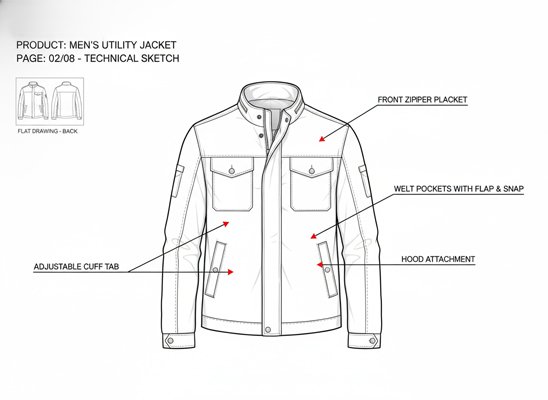
Many buyers talk about “the sample” as if it’s a single step. In reality, a disciplined process involves several sample stages, and each one answers a different question. Skipping a stage means leaving those questions unanswered until it's too late, creating unnecessary risk. I always guide our clients through a structured process to cover all bases before they commit to a large purchase order. It feels slower at first, but it prevents much bigger delays and costs down the line by ensuring every detail is correct.
Understanding Each Sample Stage
A professional sourcing process doesn't rush to a final sample. It builds toward it methodically.
| Sample Type | Main Purpose | What Buyers Should Check |
|---|---|---|
| Development Sample | Turn the concept into a physical garment. | Overall design, feasibility, and basic construction. |
| Fit Sample | Confirm shape and measurement balance on a body. | Fit, proportions, ease, and silhouette. |
| Size Set Sample | Review grading consistency across all sizes. | Proportional scaling from the smallest to the largest size. |
| Pre-Production (PP) Sample | Lock the final production benchmark. | Fabric, trims, workmanship, labels, and packaging. |
| Shipping Sample | Review the packed final standard before shipment. | Folding, tag placement, barcode accuracy, and carton presentation. |
The Pre-Production (PP) Sample is the most critical. It must be made with the actual bulk materials, trims, and production methods. It is your golden standard. I always tell clients: "If it's not right on the PP sample, do not approve it." If a supplier promises a detail will be “fixed in bulk,” that's a red flag. The PP sample is the final agreement, and it's the standard against which we conduct final QC inspections. Getting this stage right is non-negotiable for reliable results.
How Can You Evaluate Apparel Samples More Effectively?
Approving a sample because it "looks good" is a trap. This subjective approach ignores the technical details that define quality and consistency, leading to problems in bulk production.
Evaluate samples systematically against your tech pack. Check every measurement against the spec sheet, verify fabric composition and weight, and inspect construction details like stitching and seam types. Provide clear, consolidated feedback with photos to ensure your corrections are implemented accurately.

A sample shouldn’t just “look okay”; it should meet the technical standard you defined in your tech pack. Too often, I see buyers give a quick approval, only to discover later that the fabric feels wrong or a side seam twists. These issues were already present in the sample but were overlooked. A stronger, professional approach is to evaluate each sample point-by-point, just like a QC inspector would. When a sample arrives at our office in Yongkang, we don't just look at it; we measure it, feel it, and compare it directly against the client's tech pack.
A Framework for Systematic Sample Review
This is the process you should follow to catch issues early.
| Review Area | What to Check |
|---|---|
| Measurements | Check chest, length, sleeve, etc., against the spec sheet. Is it within the agreed tolerance (e.g., +/- 1 cm)? |
| Fabric | Does the composition and weight (GSM) match? Does the handfeel and drape align with your brand? Check for shrinkage. |
| Construction | Are the seams the correct type? Is stitching neat, with no loose threads? Check for reinforcements like bar tacks. |
| Trims | Test the zipper. Are buttons secure? Are cord ends finished properly? Are the brand and care labels correct? |
| Branding | Is the print position accurate? Is the embroidery clean? Are the logo colors an exact Pantone match? |
| Fit | If possible, try it on or use a mannequin. Does it sit correctly on the body and match the intended silhouette? |
Clear feedback is just as important. Instead of scattered comments in chats, create a single, consolidated feedback file with marked-up photos and a clear list of corrections. This becomes the official record, keeping revisions focused and holding the factory accountable.
What Goes Wrong Between an Approved Sample and Bulk Production?
You approved a perfect sample, but the final shipment is a letdown. This frustrating gap happens when quality control isn't maintained throughout the production process.
Common issues include fabric substitution, color variations, inconsistent measurements, and lower-quality trims. These problems arise from a lack of in-process controls and suppliers cutting corners to save costs. Remember, an approved sample is a benchmark, not a guarantee.
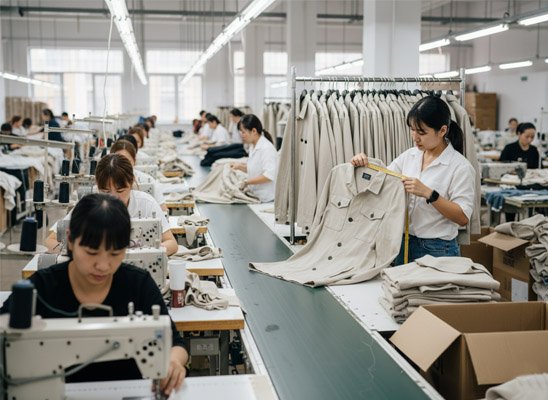
This is one of the most frustrating parts of apparel sourcing. The PP sample looked right, but the bulk order arrives with unapproved differences in fabric feel, trim quality, or measurements. These issues don't come from a single mistake but from a weak control system between sample approval and bulk execution. This is where having an on-the-ground team to monitor production makes a huge difference, as they can spot deviations as they happen, not after it's too late.
Common Issues and Their Commercial Impact
The approved sample is a benchmark, but you still need active follow-up to ensure it's met.
| Common Problem | Likely Cause | Commercial Impact |
|---|---|---|
| Bulk fabric differs | Material substitution or poor batch control from the fabric mill. | Inconsistent quality, poor customer reviews. |
| Fit changes in production | Weak measurement control during cutting and sewing. | High rate of returns and buyer complaints. |
| Trim mismatch | Cheaper alternate used without approval to save cost. | Lower perceived value and brand damage. |
| Color variation | Inconsistency between different fabric dye lots. | Inventory looks mixed; hard to sell as a cohesive collection. |
| Sewing quality drops | Pressure to meet deadlines leads to rushed workmanship. | More rejects and customer dissatisfaction. |
This is why sample approval is just the start of quality control. You still need production follow-up. Inline and final random inspections are essential to making sure the bulk goods meet the approved standard. For importers and brand owners, the cost of inconsistency shows up in distributor complaints, retailer markdowns, and lasting damage to customer trust.
Why Work With a Sourcing Agent for Apparel Projects?
Managing every detail of apparel production from overseas is overwhelming. Communication gaps and a lack of on-site presence often lead to costly errors and delays.
A good sourcing agent acts as your local team in China. We manage the details you can't, from clarifying tech packs and chasing samples to performing on-site quality inspections. This closes the gap between your requirements and the factory's execution, ensuring consistency and reliability.

Most overseas buyers can find factories online. What they really need is help managing the thousands of details that determine a project's success. In apparel, there are countless moving parts: fabric sourcing, trim follow-up, sample revisions, measurement checks, and production scheduling. Handling that remotely is difficult. This is where our team at AuroSourcing steps in. We act as your on-the-ground project managers and quality controllers. When a tech pack is unclear, we clarify it with the factory. When a sample needs correction, we ensure the feedback is implemented correctly.
How We Bridge the Gap for Our Clients
Our value isn't just in finding suppliers; it's in managing the entire process for predictable results.
| Without Local Support | With AuroSourcing |
|---|---|
| Buyer manages all follow-up remotely. | Our local team follows details on the ground daily. |
| Tech pack points may be misunderstood. | We clarify requirements with the factory before sampling. |
| Sample revisions can drag on for weeks. | Feedback loops become faster and more efficient. |
| Bulk issues are discovered only upon arrival. | Our QC inspections flag problems before shipment. |
| Repeat-order standards rely on factory memory. | We document and track standards for consistency. |
For an Amazon seller, we ensure packaging meets strict FBA prep rules. For a wholesaler, we manage multi-SKU orders and consolidate them in our 10,000㎡ warehouse to optimize shipping. We are an extension of your team, located right here in Zhejiang's manufacturing heartland. For clients who want fewer surprises and a more stable sourcing system, that local support makes all the difference.
How Can You Build a More Reliable Apparel Development Process?
Chasing the lowest price often leads to an unreliable supply chain. A reactive approach to sourcing creates stress, delays, and inconsistent product quality that hurts your brand's reputation.
Build a proactive, system-based process. Start with a complete tech pack, define goals for each sample stage, review samples methodically, and lock in all standards before production. Implement in-process and final inspections to ensure the bulk order matches the approved pre-production sample.
The buyers who reduce sourcing problems are not the ones chasing the lowest price first; they are the ones building the clearest process. A practical, reliable system saves far more money in the long run than cutting a few cents off the FOB price. It reduces rework, shortens correction cycles, and lowers the chance of quality claims. A sourcing system that works once is useful. A system that works consistently is what truly supports business growth.
A 7-Step Workflow for Success
Here is a practical workflow we implement with our clients to ensure a smoother outcome.
- Prepare a Complete Tech Pack: Detail measurements, materials, and construction notes. This is your foundation.
- Define Sample Stage Goals: Be clear on the purpose of each sample—concept, fit, size set, and pre-production.
- Review Samples Systematically: Use your tech pack as a checklist and document all feedback clearly.
- Lock All Standards: Finalize all fabrics, trims, labels, and colors before confirming the bulk order.
- Approve the PP Sample as the Benchmark: This is your "golden sample" and the standard for QC.
- Monitor Production In-Line: Arrange for inspections during production to catch issues early.
- Conduct a Final Inspection: Always perform a final random inspection before shipment to verify quality.
Conclusion
Strong tech packs and disciplined sample control are the foundation of successful apparel sourcing. Buyers who manage these stages carefully get better consistency and a more reliable long-term supply chain.