

Importing kitchen gadgets seems simple, but a bad supplier or poor quality control can turn a profitable idea into an expensive lesson. You need a process that protects your investment.
To successfully import kitchen tools, first-time buyers should define product specs, vet suppliers thoroughly, verify samples, calculate total landed cost, and manage the process from production to shipment with a structured plan.
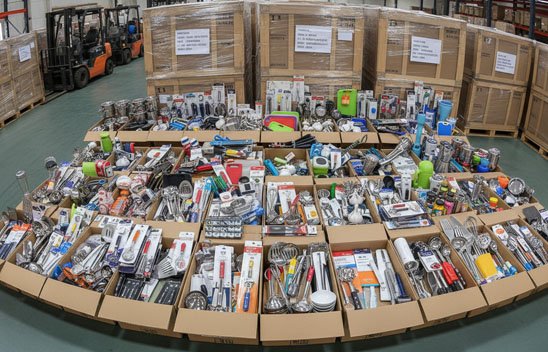
Kitchen tools and gadgets are a huge category for global retail and e-commerce, but this popularity doesn't make them risk-free. For new importers, the biggest challenge isn’t finding a product; it’s building a repeatable process that safeguards your quality, pricing, and delivery schedules. I've seen many buyers struggle with this. Once you understand how to select the right items, evaluate suppliers, and manage each step, this product category becomes much more scalable. Let's break down how you can get it right from the start.
Why Are Kitchen Tools a Good Product Category to Import?
Many new importers chase crowded product categories without asking if the products are practical, profitable, or easy to manage. This leads to costly inventory mistakes and failed launches.
Kitchen tools are a smart import category due to steady consumer demand, vast product variety for differentiation, strong private label potential, and access to China's huge manufacturing base.
From my experience here in Yongkang, I can tell you that kitchen tools are one of the best entry points for first-time importers. The category is broad and serves many business models, from e-commerce sellers to retail chains. You can sell to wholesalers, supermarket distributors, and Amazon FBA brands. Products like peelers, graters, silicone spatulas, and food tongs have consistent market demand.
Another advantage is that many of these items are relatively simple compared to large appliances. This makes production, packaging, and shipping easier to control. At the same time, you have plenty of room to differentiate through materials (like stainless steel vs. silicone), colors, and custom packaging. That said, not every gadget is beginner-friendly. I always advise my clients to start with practical, easy-to-inspect items that don't involve complex electronics. Yongkang, for instance, is a major hub for stainless steel products, making it a great place to source items like whisks, tongs, and graters with confidence.
Getting Started with the Right Products
| Product Type | Why It Works for Beginners | Main Risk to Watch |
|---|---|---|
| Silicone Utensils | Simple production, high demand, easy to customize color. | Material consistency and food-grade compliance (LFGB/FDA). |
| Stainless Steel Tools | Durable, high perceived value. Yongkang is a hub for this. | Finishing quality (sharp edges, polishing marks). |
| Measuring Sets | Easy to bundle, low-cost, great for private label. | Accuracy of markings and potential for packaging damage. |
| Manual Prep Gadgets | High consumer interest and problem-solving appeal. | Performance complaints if the design is poor or materials are weak. |
How Should You Choose the Right Products to Import?
A product might look trendy on social media, but that doesn't guarantee it fits your market, your margins, or your sourcing capabilities. This is a trap many first-time importers fall into.
Choose a product that aligns with your target market's needs, your pricing strategy, and your quality standards. Don't select a product based on popularity alone; prioritize practicality and profitability.
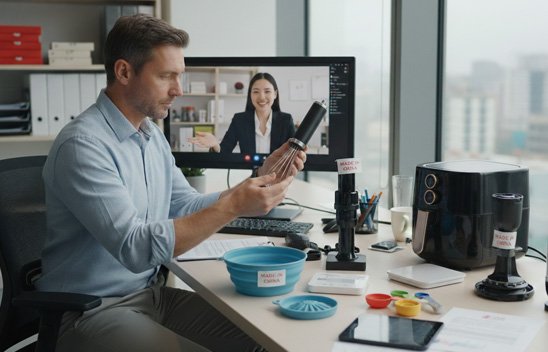
Your product selection process should always start with your customer, not a factory catalog. I constantly remind my clients to ask: who are you selling to? Are they discount shoppers, premium home cooks, or Amazon buyers looking for a deal? Each market expects different materials, packaging, and price points. A basic stainless steel whisk might work for a mass-market retailer, while a premium, boxed silicone utensil set is better for a high-end e-commerce brand.
You also have to think about sourcing practicality. As a first-time buyer, you'll have a much easier time with products that are simple to describe, inspect, and pack. I’ve seen projects get delayed by items with too many small parts, weak hinges, or coatings that peel off. These issues lead to bad reviews and costly returns. A smart first product has clear demand, manageable quality control, good shipping density, branding potential, and a supplier base large enough to give you options.
Key Factors for Smart Product Selection
| Selection Factor | What to Evaluate |
|---|---|
| Market Demand | Is there stable sales potential in your target market? |
| Product Complexity | Can my team or a sourcing agent easily check quality before shipment? |
| Margin Potential | Does the fully landed cost leave enough room for profit? |
| Shipping Efficiency | Is the product compact and carton-friendly to keep freight costs down? |
| Branding Opportunity | Can I add value with better packaging, colors, or by creating a unique set? |
| Complaint Risk | Are breakage, rust, or poor performance likely problems? |
Where Can You Find Reliable Suppliers for Kitchen Tools?
Many new buyers think finding suppliers on B2B sites is the hard part. The real challenge is filtering out the unreliable ones before they can cause problems in your supply chain.
Reliable suppliers can be found on B2B platforms, at trade shows, or through a sourcing agent. However, trust must be built through careful verification, not just online profiles or quick quotes.
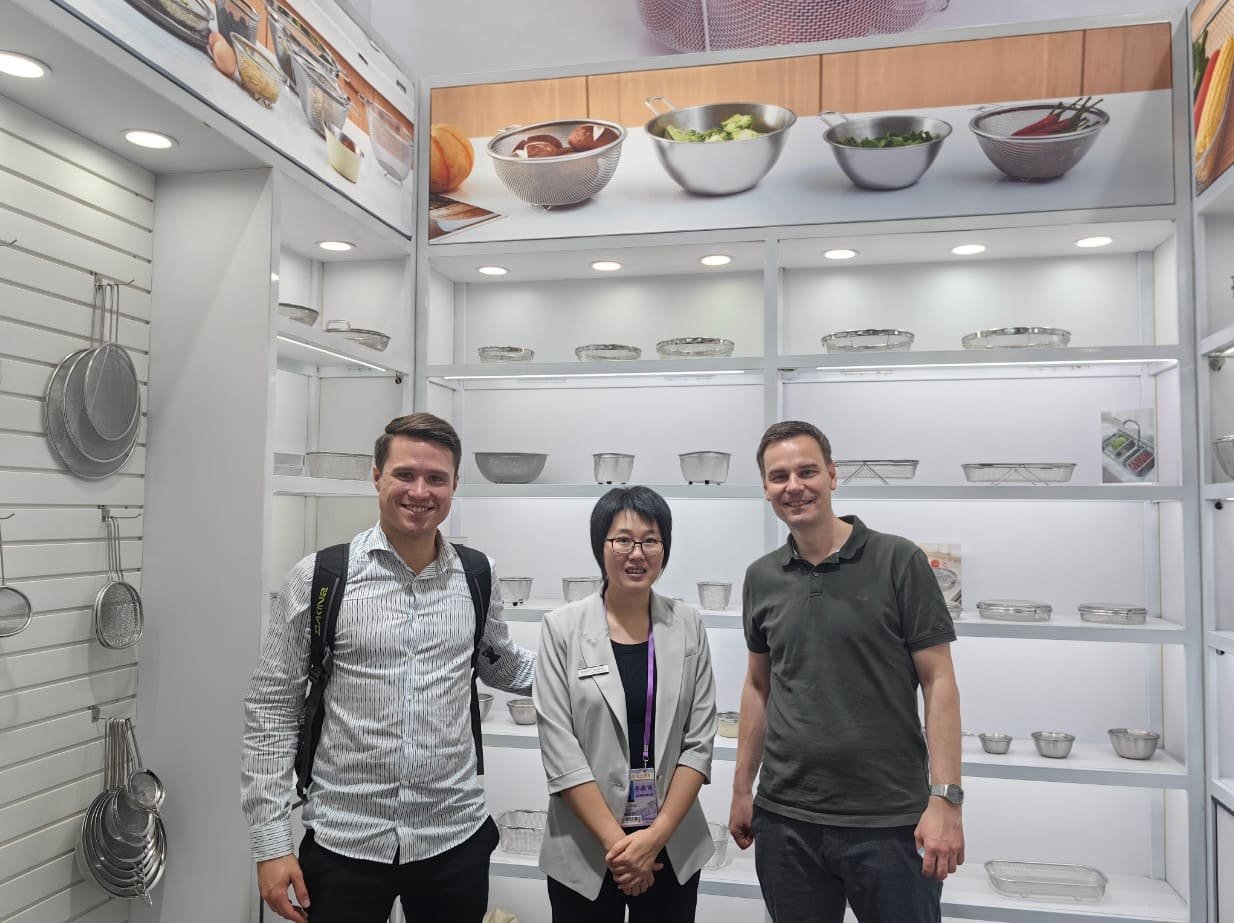
Most beginners start their search on platforms like Alibaba. This is a useful first step for market research, but it should never be your only step. An online profile can help you find potential factories and collect quotes, but it won't tell you if that supplier can truly deliver on quality and deadlines. I’ve visited hundreds of factories in Zhejiang that looked great online but were disorganized in person.
Trade shows are better because you can touch the products and meet the sales team face-to-face. You can judge their professionalism much more clearly. For buyers who want maximum security, working with a China sourcing agent like Auro Sourcing is the safest path. My team is based right here in Yongkang, the "hardware capital of China," so we can verify factories in person, audit their production lines, and solve issues on the ground before they impact your order. The goal isn't just finding a supplier; it's finding a long-term partner who can grow with your business.
Comparing Sourcing Channels
| Sourcing Channel | Best Use For | Key Limitation |
|---|---|---|
| B2B Platforms | Initial supplier discovery and price comparison. | Hard to verify true factory capability vs. a trading company. |
| Trade Shows | In-person product review and direct communication. | Requires significant travel costs and time investment. |
| Referrals | Building trust faster with a recommended supplier. | Your network likely has a very limited supplier pool. |
| Sourcing Agent | On-the-ground verification, negotiation, and project management. | Involves a service fee, but saves money by preventing mistakes. |
How Do You Verify a Supplier’s Quality and Experience?
A supplier can offer an amazing price and still become your most expensive mistake if their quality systems are weak or they lack export experience. Don't let a low quote blind you.
You must verify a supplier by checking their factory capabilities, experience with similar products, export history, testing support, and sample performance before placing a purchase order.
Supplier verification is where you either protect your business or create avoidable risk. I start by confirming if the supplier has real experience with products similar to yours. A factory specializing in stainless steel cookware in Yongkang might not be the right choice for silicone baking mats. Specialization is a sign of expertise.
Next, I ask about their main export markets. Suppliers who regularly ship to the US, EU, or Australia are more likely to understand compliance, packaging rules, and quality expectations. You should also review their quality process. Ask them how they inspect incoming raw materials, what checks they do during production, and how they test finished goods. Vague answers are a major red flag. Sample review is your final hands-on check. Feel the material, check the finishing, and test the function. At Auro Sourcing, my team handles this entire verification process for our clients, ensuring you partner with a capable factory from day one.
Verification Checklist
| Verification Area | Key Questions to Ask |
|---|---|
| Product Experience | Can you show me similar kitchen tools you have made for other clients? |
| Export History | Which countries are your main markets? Do you understand our compliance needs? |
| Quality Control | What is your inspection process for raw materials and finished products? |
| Testing Support | Can you provide food-contact testing reports (e.g., FDA, LFGB)? |
| Factory Identity | Are you the actual factory or a trading company? Can we visit? |
What Is the Step-by-Step Process for a Smooth Import?
Without a clear process, beginners often jump from quotation to payment too quickly. This is how you lose control over your product quality, production timeline, and final shipment.
A safe import process is sequential: define clear specifications, shortlist and verify suppliers, test samples, confirm all order details in writing, monitor production, inspect goods, and manage the shipment.
A structured process eliminates confusion and gives you control. This is the exact framework my team at Auro Sourcing uses to manage hundreds of client projects every year.
First, define your product clearly. This includes material, dimensions, color (Pantone code), packaging design, and quality standard. Clear requirements make supplier comparison much more effective. Next, shortlist suppliers and evaluate them on more than just price. Look at their responsiveness and professionalism. Once you have a top candidate, order a pre-production sample and review it obsessively. After you approve the sample, confirm everything in a Purchase Order (PO). This document should lock in specifications, pricing, packaging, payment terms, and the production timeline. During production, regular follow-up is critical. Before the final payment, a pre-shipment inspection is non-negotiable. This is your last chance to catch problems. As your purchasing agent in China, we manage every step to ensure your project stays on track.
The 7-Step Importing Framework
| Step | Key Action |
|---|---|
| 1. Define | Create a detailed product specification sheet. |
| 2. Source | Find and compare multiple qualified suppliers. |
| 3. Verify | Audit the top supplier and test pre-production samples. |
| 4. Order | Place a detailed Purchase Order and confirm the production timeline. |
| 5. Monitor | Follow up on production progress to prevent delays. |
| 6. Inspect | Conduct a pre-shipment inspection to verify quality and quantity. |
| 7. Ship | Arrange logistics, customs clearance, and final delivery. |
Conclusion
Importing kitchen tools is far less risky when you follow a clear process, verify suppliers diligently, and partner with a reliable team on the ground like a professional sourcing agent.
Ready to source your next product with confidence? Send my team your product specifications, and let us help you find the right factory in China.